How to Clean a Cuisinart Coffee Maker: A Complete Guide to Descaling and Maintenance
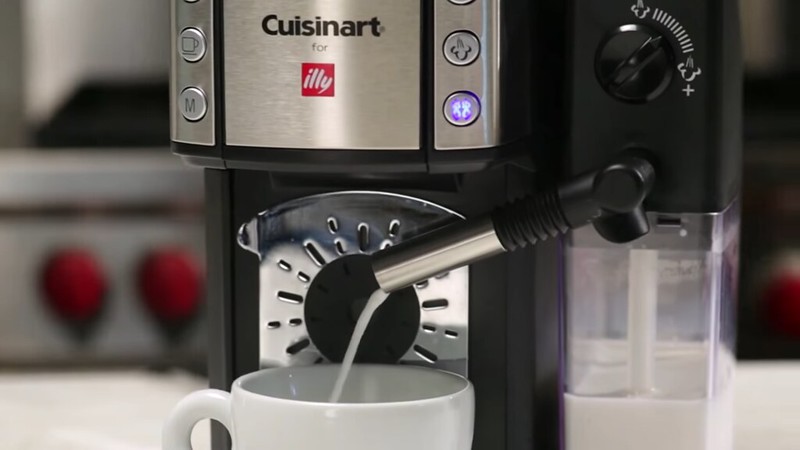
Regularly cleaning your Cuisinart coffee maker is essential for maintaining its performance and ensuring every cup of coffee tastes its best. The process involves both routine daily or weekly cleaning of the carafe and filter, as well as a more comprehensive deep clean to remove mineral buildup, a process known as descaling.
The Importance of Cleaning and Descaling
Mineral deposits from water, particularly calcium and lime, can accumulate on the internal components of your coffee maker. This “scale” buildup can slow down the brewing process, cause your coffee to be less hot, and eventually lead to a machine that doesn’t work at all. Descaling regularly removes these deposits, which is key to your Cuisinart’s longevity and brewing consistency.
Step-by-Step Cuisinart Cleaning Guide
Part 1: Daily and Weekly Cleaning
This routine maintenance keeps your machine free of coffee oils and residues, preventing mold and bacteria growth.
- Empty and Rinse the Carafe: After each use, discard any leftover coffee and rinse the carafe with warm water.
- Wash Removable Parts: The carafe, carafe lid, and filter basket can be washed in warm, soapy water. Cuisinart also states that these parts are top-rack dishwasher safe. Use a soft sponge to avoid scratching the surfaces.
- Wipe Down the Exterior: With a damp cloth, wipe down the outside of the machine, including the warming plate, to remove any spills or stains.
Part 2: Descaling (Every 3-6 Months)
This deep clean is crucial for removing stubborn mineral buildup. Many Cuisinart models have a “Clean” button that illuminates when it’s time to descale, acting as a helpful reminder.
- Prepare the Descaling Solution: A very effective and common solution is a mixture of white vinegar and water. The recommended ratio is typically one-third white vinegar to two-thirds water.
- Remove the Water Filter: If your Cuisinart coffee maker has a charcoal water filter in the reservoir, be sure to remove it before starting the descaling process. Leaving it in can affect the cleaning and may cause the filter to soak up the vinegar taste.
- Run the Cleaning Cycle:
- Fill the water reservoir with your vinegar and water solution.
- Place an empty carafe on the warming plate.
- If your Cuisinart has a “Clean” button: Press and hold the “Clean” button until it glows. The machine will then start a special cleaning cycle that is often longer than a normal brew, with pauses to allow the solution to soak and break down deposits.
- If your Cuisinart does not have a “Clean” button: Simply run a regular brewing cycle as if you were making coffee. For a deeper clean, you can turn the machine off halfway through the cycle and let it sit for about an hour before turning it back on to finish the brew.
- Rinse with Fresh Water: Once the cleaning cycle is complete and the carafe is full, discard the vinegar solution. Rinse the carafe and water reservoir thoroughly with fresh water.
- Run Rinsing Cycles: Fill the water reservoir with fresh, clean water and run at least one full brewing cycle. This is a critical step to flush out any lingering vinegar taste. You may need to repeat this step one or two more times until the vinegar smell and taste are completely gone.
- Replace the Water Filter: Once the machine is clean and dry, you can re-insert or replace the charcoal water filter.
Troubleshooting and Additional Tips
- Stubborn Stains in the Carafe: If the inside of your glass carafe has stubborn coffee stains, you can fill it halfway with hot water and half with vinegar and let it soak for at least 30 minutes, or even overnight.
- The “Clean” Light Stays On: If the “Clean” light remains on even after a descaling cycle, it’s a sign that the mineral buildup was significant. Simply repeat the descaling process until the light turns off.
- Use Distilled Water: If you live in an area with hard water, using distilled or filtered water can significantly reduce the rate of mineral buildup.
- Never Submerge the Machine: Never submerge the main body of your Cuisinart coffee maker in water, as this can damage the electrical components.
By following these simple steps, you can ensure your Cuisinart coffee maker remains in top condition, providing you with delicious, hot coffee for years to come.